What a Professional Roof Inspection Covers and Why It Matters
A professional roof inspection evaluates the condition of your roof, identifying potential issues to help protect your home, with local contractors ready to provide expert assessments.
If you’re a property owner in the area, understanding what a professional roof inspection covers and why it matters can be a valuable step in maintaining your home’s safety and value. A thorough roof inspection goes beyond a simple glance, examining key components such as shingles, flashing, gutters, and the overall structure to identify potential issues before they become costly problems. Regular inspections help uncover hidden damage caused by weather, wear, or age, giving you peace of mind and a clearer picture of your roof’s condition.
Local contractors who specialize in roof inspections have the expertise to assess every aspect of your roof accurately and efficiently. Knowing what these inspections include can help you make informed decisions about repairs, maintenance, or upgrades. Whether you’re preparing for a sale, addressing concerns about leaks, or simply staying ahead of potential damage, exploring what a professional roof inspection covers and why it matters is a practical step for property owners committed to protecting their investment.
- Residential roof inspections are essential when homeowners notice leaks or damage, with local contractors thoroughly assessing the roof’s condition. Pre-purchase roof inspections help buyers understand potential issues before buying a property, with service providers carefully evaluating roof integrity. Post-storm roof assessments are needed after severe weather, with local pros identifying storm-related damage that may require repairs. Routine roof evaluations assist property owners in maintaining roof health, with local contractors inspecting for wear and tear over time. Insurance claim inspections are conducted when filing claims for roof damage, with service providers documenting conditions to support claims processes.
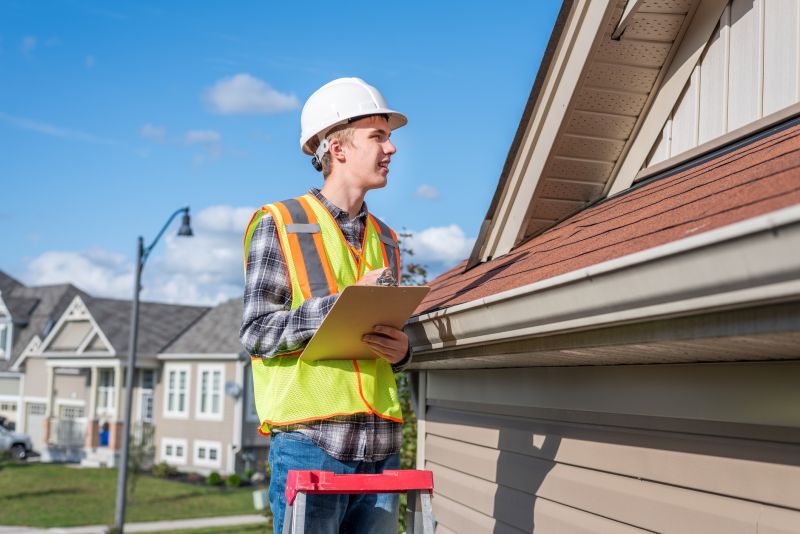

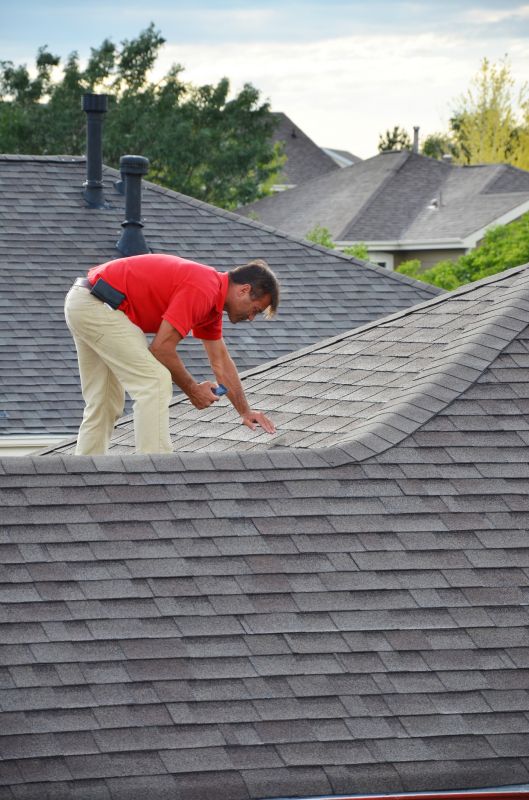
A professional roof inspection is a comprehensive assessment that aims to evaluate the current condition of a property's roof, whether for maintenance, repairs, or pre-purchase evaluations. When people search for what this inspection covers and why it matters, they are often looking to understand the specific elements a trained inspector will evaluate. Typically, this includes checking for signs of damage such as missing or broken shingles, cracks, or curling that could compromise the roof’s integrity. Inspectors also examine flashing, vents, gutters, and the overall roof structure to identify areas where leaks or deterioration might develop. This thorough review helps homeowners understand the health of their roof and whether repairs or replacements are needed to prevent future problems.
The scope of a professional roof inspection often relates to a variety of problems or planning projects. For homeowners, it can be part of routine maintenance to catch issues early before they escalate into costly repairs. For those preparing to sell or buy a property, an inspection provides a clear picture of the roof’s condition, which can influence negotiations or future maintenance plans. Common problems identified during inspections include water intrusion, shingle deterioration, moss or algae growth, and damaged flashing or vents. Additionally, inspections can reveal underlying issues like sagging or structural weaknesses that may require more extensive repairs. Understanding what a professional roof inspection covers helps property owners make informed decisions about maintaining or improving their roofs.
These inspections are relevant across a range of property types, including single-family homes, multi-family complexes, commercial buildings, and even some industrial structures. Homes built with different materials-such as asphalt shingles, metal, tile, or wood shakes-each require specific evaluation techniques. Commercial properties, with flat roofs or specialized roofing systems, also benefit from thorough inspections to identify leaks, ponding water, or membrane damage. Property owners should recognize that local service providers are experienced in assessing various roof styles and materials, ensuring that every aspect of the roof’s condition is carefully evaluated. This broad applicability makes professional roof inspections a valuable step for anyone looking to protect their investment and ensure their property’s durability over time.
Understanding what a professional roof inspection covers and why it matters helps homeowners see the value in periodic evaluations. Regular inspections can identify early signs of damage, allowing for timely repairs that extend the roof’s lifespan and prevent more serious issues down the line. They also provide clarity during real estate transactions or insurance claims, where detailed assessments support informed decisions. By working with experienced local contractors, property owners gain access to expert evaluations tailored to their specific roof type and condition. These professionals bring the knowledge needed to thoroughly inspect every critical area, ensuring that potential problems are identified before they become costly or disruptive. Ultimately, a professional roof inspection is a practical step toward maintaining the safety, integrity, and value of a property.
Gutter and drainage system inspections - these projects require similar assessment skills and tools to identify potential water flow issues that can impact roof integrity.
Attic and insulation evaluations - evaluating attic conditions complements roof inspections by detecting hidden leaks and ventilation problems that affect roof health.
Exterior siding and flashing assessments - inspecting siding and flashing involves planning and tools similar to roof inspections to prevent water intrusion and structural damage.
Chimney and vent inspections - these projects require detailed examination techniques to ensure proper sealing and prevent leaks that could compromise the roof.
Storm damage assessments - evaluating damage after storms involves similar planning and tools to identify compromised roofing components quickly and accurately.
Roof maintenance and repair services - ongoing maintenance projects share inspection skills to identify issues early and extend the lifespan of roofing systems.
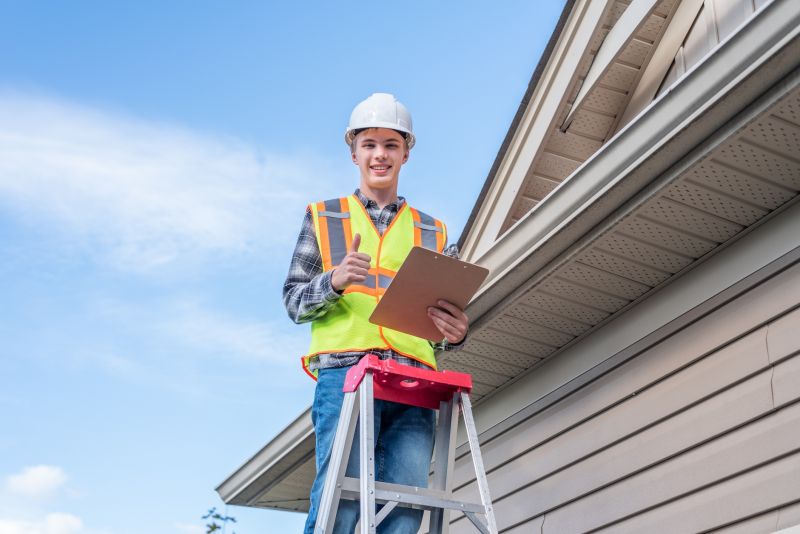
When comparing service providers for roof inspection services, it’s important to consider their experience with similar projects. Homeowners should look for local contractors who have a proven track record of thoroughly evaluating roofs similar in size, style, and age to their own. An experienced professional will be familiar with common issues that arise in specific types of roofing systems and will be better equipped to identify potential problems that could lead to costly repairs or damage if left unaddressed. This familiarity ensures that the inspection covers all critical aspects of the roof’s condition, providing a comprehensive assessment tailored to the specific needs of the home.
Clear, written expectations are essential when evaluating different roof inspection services. Homeowners should seek service providers who provide detailed descriptions of what their inspections include, such as checking for damaged or missing shingles, assessing flashing and ventilation, and inspecting the roof’s structural integrity. Having a transparent scope of work helps ensure that all parties understand what will be covered during the inspection and reduces the risk of misunderstandings. A reputable contractor will be willing to outline these expectations in writing, giving homeowners confidence that the inspection will be thorough and address all relevant concerns.
Reputable references and good communication are key factors in selecting a reliable roof inspection provider. Homeowners are encouraged to seek out local contractors with positive feedback from previous clients, especially those who have had similar inspection needs. Clear and responsive communication from the service provider is also vital; it ensures that homeowners can easily ask questions, clarify the scope of the inspection, and understand the findings. A professional who maintains open lines of communication and provides well-documented reports will help homeowners make informed decisions about necessary repairs or maintenance, ultimately supporting the ongoing health and safety of the roof.
Property owners often search for what a professional roof inspection covers and why it matters when they are planning practical projects around their homes and businesses. Local pros provide Roof Inspection services for everyday jobs and straightforward project options.
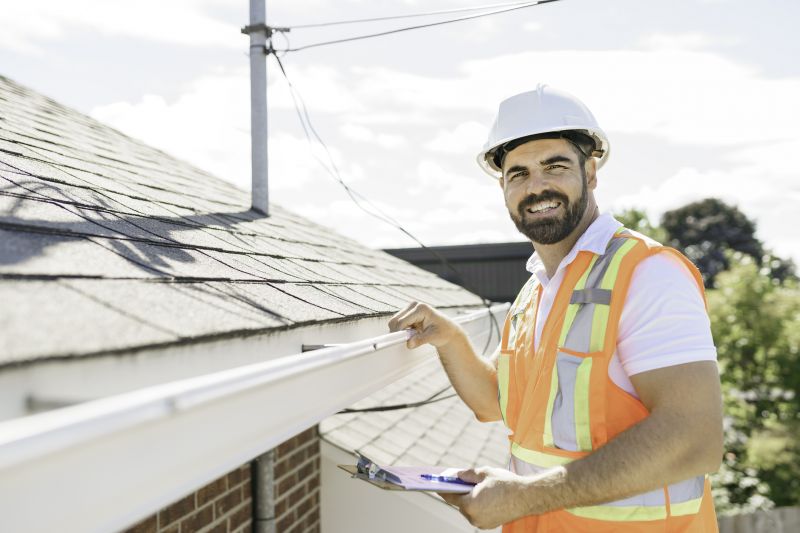
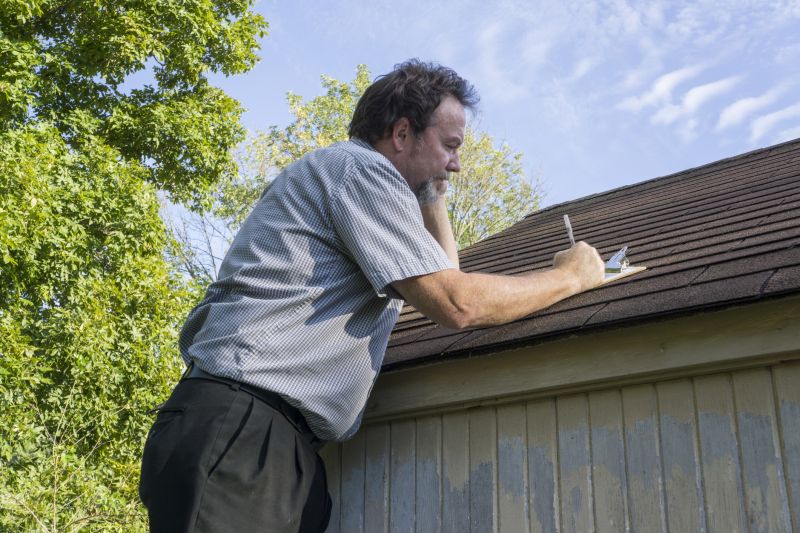
A professional roof inspection typically covers a thorough assessment of the roof’s overall condition, including the shingles, flashing, gutters, and ventilation systems. Service providers look for signs of damage or wear such as missing or cracked shingles, rusted flashing, and clogged gutters that could lead to leaks or structural issues. They also evaluate the roof’s drainage system and check for potential problem areas that might not be immediately visible from the ground. For property owners in the area, understanding what a roof inspection involves helps ensure their home is protected from the elements and can prevent costly repairs down the line.
Why a roof inspection matters is often tied to the need for early detection of issues before they worsen. Local contractors can identify minor problems like loose shingles or small leaks that might not be obvious but could develop into major repairs if left unaddressed. Regular inspections are especially important after severe weather events or as part of routine maintenance, helping property owners maintain the integrity of their roofs and avoid unexpected expenses. Considering roof inspection services from experienced local providers can offer peace of mind, knowing that a professional is checking critical components and helping preserve the home’s safety and value.
What does a professional roof inspection typically cover? A professional roof inspection examines the overall condition of the roof, including shingles, flashing, gutters, and ventilation systems, to identify any signs of damage, wear, or potential issues.
Why is a roof inspection important for homeowners? A roof inspection helps detect problems early, preventing costly repairs and ensuring the roof’s integrity, which is essential for protecting the home’s structure and interior.
How can local contractors identify hidden roof issues? Local service providers use specialized tools and a thorough visual assessment to uncover hidden problems like leaks, water damage, or deteriorated materials that aren’t immediately visible.
What are the benefits of having a professional roof inspection done regularly? Regular inspections can extend the roof’s lifespan, improve safety, and maintain the home’s value by addressing minor issues before they become major repairs.
What should homeowners expect during a professional roof inspection? Homeowners can expect a detailed assessment of the roof’s condition, identification of any damage or deficiencies, and recommendations for repairs or maintenance from experienced local service providers.
Understanding roof condition - A professional roof inspection helps property owners identify existing issues that could lead to costly repairs if left unaddressed.
Detecting damage or wear - Local contractors can spot signs of damage or aging that may not be visible to the untrained eye, guiding maintenance decisions.
Assessing potential risks - An inspection highlights vulnerabilities that could cause leaks or structural problems, allowing for proactive repairs.
Planning for future upkeep - Insights from a thorough roof inspection assist property owners in scheduling necessary maintenance to extend roof lifespan.
If you are thinking about what a professional roof inspection covers and why it matters for a property, this guide is meant to help you understand this topic, the typical project types, and how different options might fit your plans.
When you are ready, you can use the quote form on this page to share a few details about your project. From there, local pros can review the basics and follow up with options that match what you have in mind.